Johnny Ryan’s brain injury and unconsciousness
Firefly LaneJohnny Ryan’s brain injury and unconsciousness begin with the bombing in Baghdad and transform a distant war report into a private family crisis. His survival depends on emergency surgery, while the uncertainty over whether he will wake, see, or recover his former abilities leaves Kate and Tully confronting the space between medical possibility and intimate hope.
Injury and Immediate Danger
A friend of Johnny’s called Kate from Baghdad with news that a bombing had occurred the previous day. By the time Kate reached him in Germany, Johnny was almost unrecognizable: his head was wrapped in white bandages, the left side of his face was swollen and discolored, and both eyes were covered. Machines, tubes, and intravenous lines crowded the bed. Kate had imagined a reunion; instead she faced the damaged body of the husband she had been waiting for.
Johnny had suffered a serious head injury. He was heavily sedated, so doctors could not yet assess his brain function. Medical staff in Baghdad had removed a section of his skull to allow his brain to swell, an emergency measure that had helped keep him alive. The German doctors could not say whether he would be blind; that question, like the extent of his cognitive injury, depended on his waking. The next forty-eight hours became a period of close observation rather than a promise of recovery.
Complications and a Narrowing Window
As Kate waited, the swelling in Johnny’s brain failed to subside as quickly as the doctors hoped. She sat in Dr. Schmidt’s office, exhausted and twisting her sweaty hands, as he warned that another operation might be necessary if there was no improvement soon. Surgery revealed extensive bleeding in Johnny’s brain, which the doctors believed was driving the continued swelling. They stopped the bleeding, giving Kate a reason to hope, but not yet any assurance about the damage or its lasting effects.
Awakening and Rehabilitation
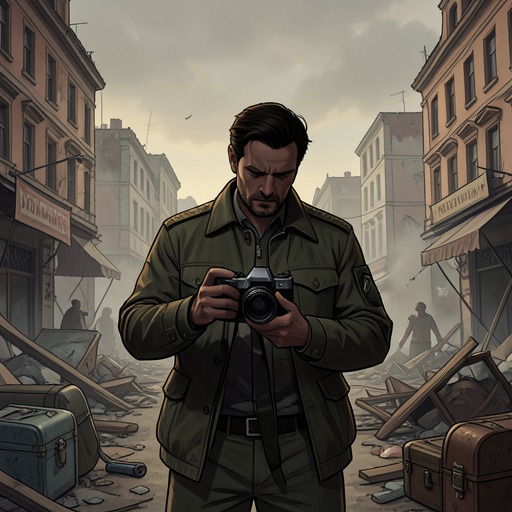
While Johnny remained unconscious, Tully reported from outside the hospital, describing his head trauma and the lifesaving surgery performed near Baghdad. The report also acknowledged the Ryan family’s privacy during a personal tragedy, even as it brought the crisis to a television audience. Kate later watched the segment alone in her room. As the broadcast ended, Johnny slowly opened his eyes. His first response was a faint squeeze of her hand; when she asked whether he knew her, he managed to say, “My … Katie.” Recognition returned in a fragment, but it was enough to turn fear into laughter and tears.
Waking did not mean that Johnny had recovered. Over the next seventy-two hours, Kate accompanied him through consultations and tests with specialists in eye care, psychiatry, physical and occupational therapy, speech therapy, and neurology. His vision remained a concern, and the medical team needed to assess his condition before she could transfer him to a rehabilitation center near home. Even after the family brought him back from Germany, his brain healed slowly: words sometimes outran him, and he struggled to hold on to an idea. Kate spent long hours working with him in rehabilitation or waiting nearby with Marah. His survival therefore began a second ordeal, measured not by whether he had awakened, but by how much capacity and independence he could regain.
The Long Aftermath
The family’s return home made the consequences of the injury part of ordinary life. Marah seemed to sense that something was wrong with her father; she often woke screaming and would not settle until Kate brought her into bed with them. Kate decorated for the holidays with treasured family collectibles, hoping familiar objects might help knit the household together again. Johnny’s injury had spared his life, but recovery remained slow and disruptive, reshaping the routines of his marriage and family rather than restoring the life they had known at once.
The novel later places this earlier crisis beside another confrontation with medical uncertainty. When Kate’s cancer reaches her brain, Johnny tells Tully that Kate’s faculties have been affected and that she may not recognize her. Tully’s fear recalls the helplessness surrounding Johnny’s own brain injury, while the roles have shifted: once Kate waited for Johnny to wake and know her; now Johnny prepares Tully for the possibility that Kate may not know her friend. In the final hospital vigil, Tully takes Johnny’s place beside Kate, but the history of his injury remains part of the family’s experience of illness, care, and the fragile return—or loss—of recognition.
The Long Aftermath
The family’s return home made the consequences of Johnny’s injury part of ordinary life. His brain healed slowly: words sometimes outran him, and he struggled to hold on to an idea. Kate spent long hours working with him in rehabilitation or waiting nearby with Marah. Survival began a second ordeal, measured not by whether Johnny had awakened, but by how much capacity and independence he could regain.
Marah seemed to sense that something was wrong with her father. She often woke screaming and would not settle until Kate brought her into bed with them. At the holidays, Kate decorated with the family’s treasured collectibles, hoping familiar objects might help knit the household together again. Johnny’s injury had spared his life, but recovery remained slow and disruptive, reshaping his family’s routines rather than restoring their former life at once.
The novel later places this crisis beside another confrontation with medical uncertainty. When Kate’s cancer reaches her brain, Johnny tells Tully that Kate’s faculties have been affected and that she may not recognize her friend. The possibility recalls the uncertainty around Johnny’s own consciousness and recognition, but the positions have shifted: once Kate waited for Johnny to wake and know her; now Johnny prepares Tully for the possibility that Kate may not know her. During Kate’s final hospital vigil, Tully takes Johnny’s place beside her. His injury thus remains part of the family’s experience of illness and care, where survival does not guarantee a simple return to the person loved ones remember.